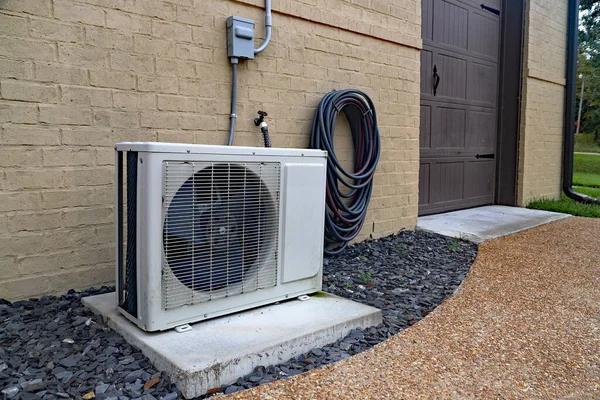
Mini split air conditioning units have become increasingly popular for their efficiency, flexibility, and ease of installation. Unlike traditional central air systems that require ductwork, mini splits operate without ducts, making them an excellent choice for homes or spaces where installing ducts is impractical or too costly. A mini split system consists of two main components: an outdoor compressor/condenser and one or more indoor air-handling units. These parts are connected by refrigerant lines and electrical wiring through a small hole in the wall.
One significant advantage of mini splits is their ability to provide both cooling and heating functions, often using heat pump technology. This makes them versatile year-round climate control solutions. Each indoor unit can be controlled independently, allowing users to adjust temperatures room by room according to individual preferences while saving energy by not cooling or heating unused areas. This zoned approach enhances comfort and efficiency compared to single thermostat setups in central systems.
Installation is relatively straightforward since there’s no need for extensive ductwork; this also reduces potential energy losses associated with ducts leaking cooled or heated air before it reaches living spaces. The compact size of indoor units allows them to be mounted on walls, ceilings, or floors depending on the model and space requirements. Their sleek design blends well with modern interiors without occupying much space.
Energy efficiency is another key benefit of mini splits. Many models come with high seasonal energy efficiency ratios (SEER) and heating seasonal performance factors (HSPF), which translate into lower utility bills over time. Additionally, inverter-driven compressors adjust speed based on demand rather than simply turning on or off at full capacity like conventional systems; this results in more consistent temperature maintenance and reduced wear on components.
Maintenance involves routine cleaning of filters inside the indoor units as well as periodic checks of the outdoor condenser coil for debris buildup that could impede airflow. Professional servicing every few years helps ensure optimal performance and longevity but overall upkeep tends to be less intensive compared to traditional HVAC systems.
Mini Split AC units are suitable for various applications including single rooms, additions to existing homes, offices without central HVAC infrastructure, garages, workshops, or even tiny houses where space constraints exist. They offer quiet operation due to separated noisy components located outside combined with efficient airflow designs indoors.
In summary, mini split air conditioners provide flexible zoning capabilities along with efficient heating and cooling without requiring ductwork installation challenges typical in conventional systems. Their combination of easy installation options coupled with energy-saving features makes them a practical solution for many residential and commercial environments seeking comfortable climate control tailored precisely per area needs while minimizing operational costs over time.
Leave a Reply