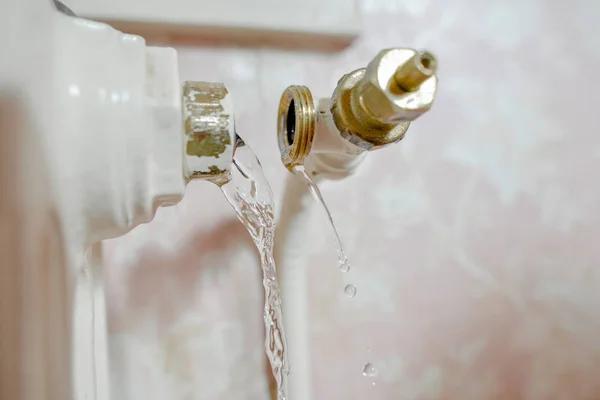
Regular home plumbing inspections are essential for maintaining the longevity of your plumbing system and preventing costly repairs. Effective inspection techniques help identify potential issues early, allowing homeowners to address problems before they escalate. One fundamental approach involves visually examining accessible pipes, fixtures, and connections for signs of wear or damage. Look for corrosion, rust, leaks, or mineral buildup around joints and valves. These indicators often signal underlying problems that could lead to pipe failure if left unattended.
Another useful technique is monitoring water pressure throughout the home. Excessively high water pressure can strain pipes and fixtures, increasing the risk of leaks or bursts over time. Using a pressure gauge attached to an outdoor faucet provides a simple way to check explore this page parameter regularly. Ideally, household water pressure should remain between 40 and 60 psi; values outside this range suggest adjustments may be necessary through a pressure regulator or professional intervention.
Inspecting drains and traps also plays a crucial role in extending plumbing life. Slow drainage or frequent clogs might indicate obstructions caused by debris accumulation or pipe degradation beneath the surface. Running water tests while observing sink drains can reveal abnormalities such as gurgling sounds or slow flow rates that require attention. Clearing minor blockages promptly using appropriate tools prevents stress on pipes caused by backed-up water.
In addition to visual checks and functional assessments, it is advisable to schedule periodic professional inspections involving specialized equipment like video cameras inserted into drain lines. This technology allows plumbers to detect hidden cracks, root intrusions from nearby trees, or sediment buildup without invasive digging or demolition work. Identifying these concealed issues early ensures timely repairs that preserve pipe integrity over many years.
Homeowners should also examine their water heater during routine inspections since sediment deposits inside tanks reduce efficiency and increase corrosion risks affecting connected piping systems. Flushing the tank annually removes accumulated minerals while inspecting valves for proper operation enhances overall system reliability.
Finally, paying close attention to any unusual odors near plumbing fixtures can provide clues about possible leaks or sewer gas infiltration due to damaged seals in traps or vent stacks. Addressing these concerns quickly helps maintain indoor air quality alongside plumbing health.
By implementing these varied inspection techniques consistently as part of regular home maintenance routines, property owners can significantly extend the service life of their plumbing infrastructure while minimizing unexpected breakdowns and repair expenses over time.
Leave a Reply