Category: Product

  • How Food Warmer Display Units Support Faster Food Service

    How Food Warmer Display Units Support Faster Food Service

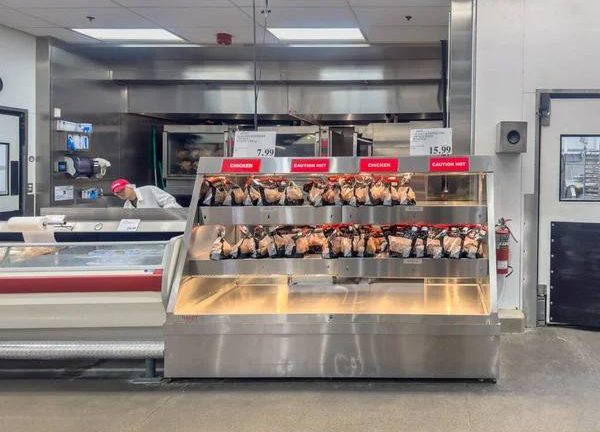
    Food warmer display units play a significant role in enhancing the efficiency of food service operations by maintaining optimal temperatures for prepared dishes while showcasing them attractively to customers. These units are designed to keep food at safe and consistent warmth, which helps reduce wait times and improves overall customer satisfaction. By having ready-to-serve items displayed prominently, establishments can streamline the serving process, allowing staff to focus more on customer interaction rather than constantly reheating or preparing orders from scratch.

    One of the primary benefits of using food warmer display units is their ability to preserve both the quality and safety of various foods. Maintaining appropriate heat levels prevents bacterial growth that could occur when food is left out at unsafe temperatures. This ensures compliance with health regulations and reduces the risk of foodborne illnesses. Additionally, keeping items warm without drying them out or altering their texture preserves taste and appearance, making meals more appealing when served.

    The visibility provided by these display units also supports faster decision-making among customers. When diners can see a variety of freshly warmed options clearly presented behind glass panels or under heated lamps, they are more likely to make quicker choices about what they want to order. This visual appeal not only speeds up ordering but also encourages impulse purchases by highlighting menu items effectively.

    From an operational standpoint, incorporating warmer display cases reduces kitchen workload during peak hours since many dishes can be pre-prepared and held at proper temperatures until needed. Staff members spend less time managing individual orders one-by-one and more time ensuring smooth service flow throughout busy periods. Furthermore, this setup minimizes bottlenecks caused by waiting for freshly cooked meals, helping maintain steady throughput even during rushes.

    In fast-casual restaurants, cafeterias, catering events, or convenience stores where speed matters significantly alongside quality presentation, these warming units provide an ideal solution for balancing both demands efficiently. They offer flexibility in layout design as well; some models come with adjustable shelves or compartments suited for different types of cuisine or portion sizes.

    Overall, Food Warmer Display units support faster food service by combining temperature control with effective product presentation that enhances customer experience while optimizing staff productivity. Their integration into foodservice environments leads to smoother operations through reduced preparation delays and increased sales opportunities driven by attractive displays that invite quick selection decisions without compromising freshness or safety standards essential in today’s competitive market landscape.
  • Mini Split AC Sizing Guide for Different Room Types

    Mini Split AC Sizing Guide for Different Room Types

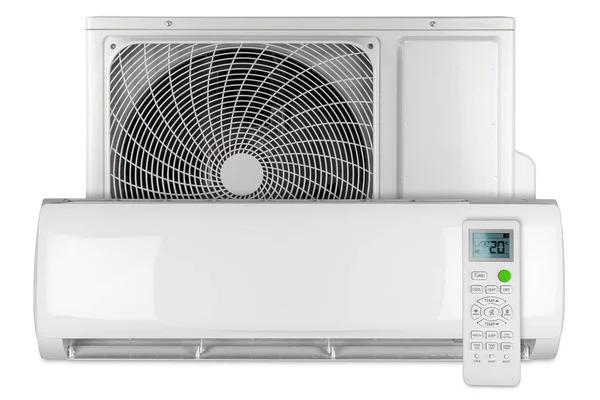
    Choosing the right size for a mini split air conditioner is essential to ensure efficient cooling and energy savings. Mini split systems come in various capacities, typically measured in British Thermal Units (BTUs), which indicate the amount of heat they can remove from a room per hour. Selecting an appropriately sized unit depends largely on the room’s dimensions, insulation quality, window placement, and usage patterns.

    For small bedrooms or home offices that measure around 100 to 250 square feet, a mini split with a capacity between 6,000 to 9,000 BTUs is generally sufficient. These spaces usually require less cooling power due to their limited size and lower heat gain. It’s important to consider factors such as direct sunlight exposure or electronic devices generating additional heat when finalizing the capacity. Installing an oversized unit in such rooms may lead to frequent cycling on and off, reducing efficiency and causing discomfort due to uneven temperature control.

    Medium-sized rooms like living areas or larger bedrooms ranging from 250 to 450 square feet often need units with capacities between 9,000 and 12,000 BTUs. These spaces tend to have more occupants and possibly multiple windows or doors contributing to heat gain. Proper sizing ensures consistent cooling without excessive energy consumption while maintaining comfort throughout the day.

    For larger spaces exceeding 450 square feet-such as open-plan living rooms or combined kitchen-dining areas-a higher-capacity Mini Split AC system of at least 12,000 BTUs is recommended. In some cases where rooms are particularly large or have high ceilings, units offering up to 18,000 BTUs may be necessary for optimal performance. Larger systems handle greater thermal loads efficiently but should not be overestimated since oversized equipment can increase initial costs unnecessarily.

    It’s also crucial to factor in room-specific characteristics beyond just floor area when determining AC size. For example, kitchens often require more powerful cooling due to heat generated by appliances like ovens and stoves. Similarly, sunrooms exposed directly to sunlight might need additional capacity compared with shaded interior spaces of equivalent size.

    Consulting with HVAC professionals who understand local climate conditions and building construction details can help refine sizing decisions further. They use detailed calculations considering insulation levels, window types and orientations, occupancy rates during peak hours, and even electrical appliance usage patterns within each space.

  • Essential Benefits of Professional Commercial Refrigeration for Businesses

    Essential Benefits of Professional Commercial Refrigeration for Businesses

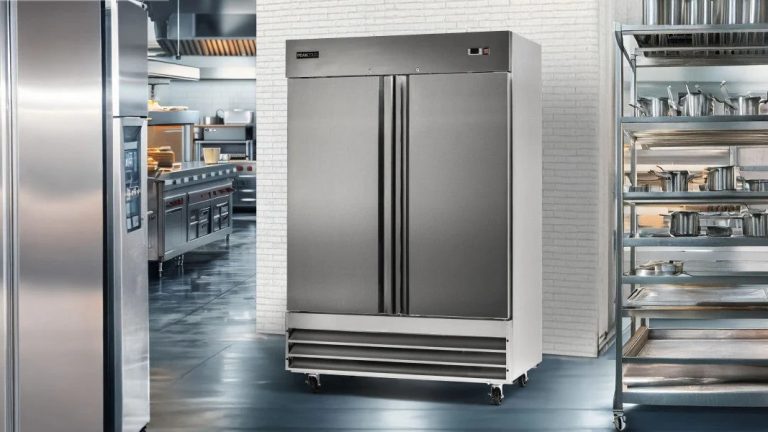
    Professional commercial refrigeration plays a crucial role in the success and efficiency of many businesses, especially those in the foodservice, hospitality, and retail industries. Investing in high-quality refrigeration systems ensures that perishable goods are stored at optimal temperatures, preserving their freshness and extending shelf life. This not only helps maintain product quality but also reduces waste caused by spoilage, directly impacting a company’s bottom line. Reliable refrigeration units minimize the risk of foodborne illnesses by keeping items within safe temperature ranges as mandated by health regulations, which is essential for customer safety and compliance with industry standards.

    Another significant benefit of professional Commercial Refrigeration is energy efficiency. Modern commercial refrigerators are designed with advanced technology to consume less power while maintaining consistent cooling performance. This translates into lower utility bills and a reduced environmental footprint for businesses that operate large-scale refrigeration equipment around the clock. Energy-efficient models often include features such as improved insulation, variable speed compressors, and smart temperature controls that adapt to usage patterns. These innovations help companies save money over time without compromising on functionality or reliability.

    Durability and maintenance support are additional advantages offered by professional-grade refrigeration systems. Unlike residential units, commercial refrigerators are built to withstand continuous heavy use in demanding environments. They incorporate robust components made from materials resistant to corrosion and wear typical in busy kitchens or storage areas. Furthermore, reputable manufacturers provide comprehensive warranties along with access to specialized service technicians who understand the specific needs of these machines. Regular maintenance programs can be arranged through certified providers to ensure peak performance throughout the lifespan of the equipment.

    The customization options available with professional commercial refrigeration also contribute significantly to operational efficiency. Businesses can select units tailored precisely to their spatial constraints and storage requirements, whether it involves walk-in coolers for bulk inventory or countertop display cases designed for easy customer access. Such flexibility allows companies to optimize workflow layouts while enhancing product visibility when necessary.

    In summary, professional commercial refrigeration offers indispensable benefits including superior food preservation capabilities, enhanced energy efficiency leading to cost savings, durable construction suited for intensive use, expert maintenance services ensuring longevity, and customizable designs improving operational effectiveness. These factors collectively support business growth by safeguarding products’ integrity and promoting sustainable practices within competitive markets where quality control is paramount.