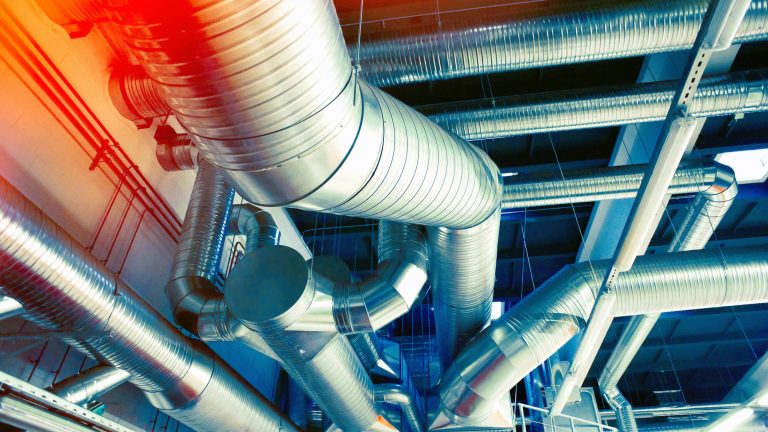
Upgrading HVAC infrastructure is a strategic investment that can lead to significant long-term cost savings for both residential and commercial properties. As heating, ventilation, and air conditioning systems age, they tend to become less efficient, resulting in higher energy consumption and increased maintenance expenses. Modern HVAC technologies offer improved energy efficiency, better performance, and enhanced reliability, which collectively contribute to reducing operational costs over time. By replacing outdated equipment with advanced models designed for optimal energy use, property owners can lower utility bills while maintaining comfortable indoor environments.
One of the primary benefits of upgrading HVAC systems lies in the adoption explore the wealth of knowledge high-efficiency units that comply with current standards and regulations. These newer models often incorporate variable speed motors, smart thermostats, and environmentally friendly refrigerants that not only reduce power usage but also minimize environmental impact. Variable speed motors adjust the system’s operation based on demand rather than running at full capacity continuously. This adaptability decreases unnecessary energy expenditure during periods of low load or partial occupancy.
In addition to improved equipment efficiency, upgrading HVAC infrastructure provides an opportunity to optimize ductwork and insulation within a building. Leaky ducts or poorly insulated spaces cause conditioned air to escape before reaching intended areas, forcing the system to work harder than necessary. Addressing these issues during an upgrade enhances overall system effectiveness by ensuring proper airflow distribution and temperature control throughout the facility.
Maintenance requirements are another important factor influencing long-term costs associated with HVAC systems. Older units typically require more frequent repairs due to wear and tear on components such as compressors or fans. Newer installations come with warranties covering parts replacement for several years after installation while utilizing durable materials designed for extended service life. Consequently, fewer breakdowns translate into reduced downtime as well as labor expenses related to emergency repairs.
Furthermore, integrating smart controls into upgraded HVAC setups allows users greater control over their environment through programmable schedules or remote access via mobile devices. This technology promotes efficient usage patterns tailored specifically around occupants’ needs rather than fixed settings determined months ago when conditions may have differed significantly.
While initial capital expenditures might seem substantial when planning an upgrade project upfront costs must be weighed against potential savings accrued from decreased electricity consumption combined with lower repair bills extending across many years following installation completion.
Leave a Reply