








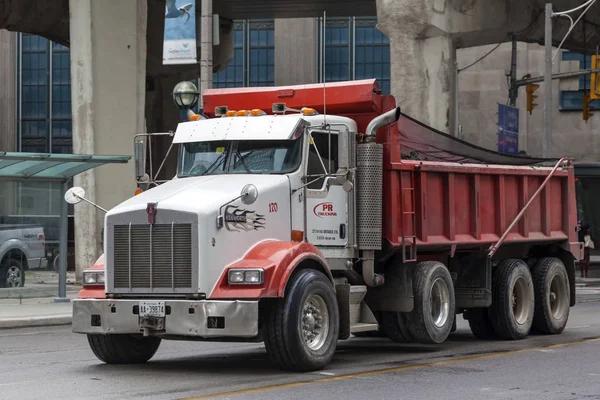
Toronto trucking companies today encounter a variety of challenges that affect their operations, profitability, and long-term sustainability. One significant issue is the increasing traffic congestion within the city and surrounding areas. As Toronto continues to grow rapidly, roadways become more crowded, leading to delays in deliveries and higher fuel consumption. This not only impacts scheduling but also raises operational costs for trucking firms striving to meet tight deadlines. Moreover, congested routes contribute to increased wear and tear on vehicles, resulting in more frequent maintenance needs.
Another challenge involves regulatory compliance. Trucking companies must navigate complex rules related to safety standards, emissions controls, and driver work hours established by both provincial and federal authorities. Staying up-to-date with evolving regulations requires ongoing investment in training programs and technology upgrades such as electronic logging devices (ELDs). Failure to comply can lead to hefty fines or even suspension of operating licenses, which disrupts business continuity.
Toronto freight forwarder
The shortage of qualified truck drivers presents a persistent difficulty for many CSA Transportation Toronto-based carriers. The demanding nature of the job combined with competitive wages offered by other industries makes recruitment challenging. Retaining experienced drivers is equally problematic due to issues like long hours away from home and stressful working conditions. Companies often face increased turnover rates that hinder efficiency and elevate recruitment expenses.
Rising fuel prices also pose a considerable burden on trucking businesses operating in Toronto’s metropolitan area. Fuel constitutes one of the largest variable costs for these companies; fluctuations directly influence profit margins. While some firms have adopted fuel-efficient technologies or alternative energy solutions like electric trucks, widespread implementation remains limited due to high initial investments.
Infrastructure limitations further complicate logistics operations within Toronto’s urban environment. Narrow streets, weight restrictions on certain bridges or roads, and limited loading zones create obstacles for large commercial vehicles trying to access delivery points promptly. These constraints require careful route planning and sometimes necessitate additional handling steps that increase labor costs.
Additionally, competition within the industry has intensified as new entrants seek market share alongside established players offering specialized services at competitive prices. To remain viable under these pressures, trucking companies must invest in customer service improvements alongside technological advancements such as fleet management software or real-time tracking systems.
In summary, Toronto trucking companies face multifaceted challenges including traffic congestion, stringent regulations, driver shortages, rising fuel costs, infrastructure constraints, and heightened competition. Addressing these issues demands strategic planning coupled with continuous adaptation to changing market conditions while maintaining operational efficiency throughout all aspects of their business activities in this dynamic urban setting.
CSA Transportation
355 Horner Ave, Etobicoke, ON M8W 1Z7, Canada
416-754-0999